Why the Words We Use Around Suicide Matter
As a funeral director, I usually know how someone died before I ever sit with their family. But often, they don’t know that I know. I watch them wrestle with how to say it, how to explain it, how to make sense of what happened. Sometimes they whisper, “He committed suicide,” and then immediately look down. Sometimes they can’t say it at all.
It’s one of the hardest parts of my job, not because of the paperwork or the arrangements, but because of the shame that still lingers in those words.
When Language Hurts Instead of Helps
For generations, we’ve used phrases like “committed suicide” or “successful attempt,” words that carry weight we may not even notice. They come from a time when suicide was considered a crime or a sin. That language suggests guilt, failure, or moral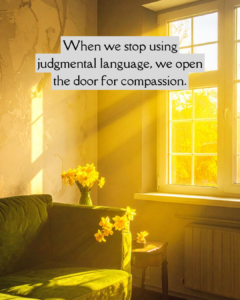 judgment.
But suicide isn’t about wrongdoing. It’s about pain. Overwhelming, unbearable pain that someone couldn’t find a way to escape. When we change the language, we start to change the story.
No one says someone committed cancer or committed a heart attack. We understand that those deaths are caused by illness. Mental illness can be just as real and just as fatal, and it deserves the same compassion.
Instead of saying “committed suicide,” we can say “died by suicide.” That small shift matters. It takes away blame and leaves room for compassion. It acknowledges that someone died from pain, not from sin. It helps families grieve without feeling like they have to defend the person they love.
What I See in the Quiet Moments
When I sit with a family after a suicide, I see every kind of emotion—grief, confusion, guilt, even anger. They want to understand what happened, but suicide doesn’t fit neatly into understanding. It’s a storm that moves through someone’s mind, often hidden from everyone else.
What I’ve come to realize is that most people who die by suicide don’t want to die. They want the pain to stop. That pain might be emotional, physical, or something no one ever saw. The truth is, they didn’t see another way out.
When we stop using judgmental language, we open the door for compassion. We stop talking about blame and start talking about pain. And that’s where healing can begin—for everyone.
We Have to Talk About Mental Health Differently
We can’t keep treating mental health as something separate or shameful. If someone breaks a bone, we send flowers and check in. If someone’s heart is breaking inside their mind, we often look away.
We need better access to care, yes, but we also need better conversations. We need to be able to say, “Are you okay?” and mean it. To ask directly, “Are you thinking about ending your life?” without fear that it’s the wrong thing to say. It’s not. It’s honest. It’s brave. It might save someone’s life.
For the Families Left Behind
If you’re grieving a suicide, I want you to know that your love still matters. The way your person died doesn’t define who they were or how much they were loved. Their story is bigger than their final act.
There’s no right way to grieve this kind of loss. It’s complicated and messy and filled with questions that may never have clear answers. But what helps—at least a little—is hearing language that holds space for love, not judgment.
When we talk about suicide with honesty and kindness, we give others permission to speak about it too. We take away the shame. And that’s how healing starts, one honest conversation at a time.
If You’re Struggling
If you’re in pain and don’t see a way out, please reach out. The 988 Suicide and Crisis Lifeline is available 24 hours a day. Call or text 988. You deserve help, hope, and another chance at tomorrow.
Because your story isn’t over yet.





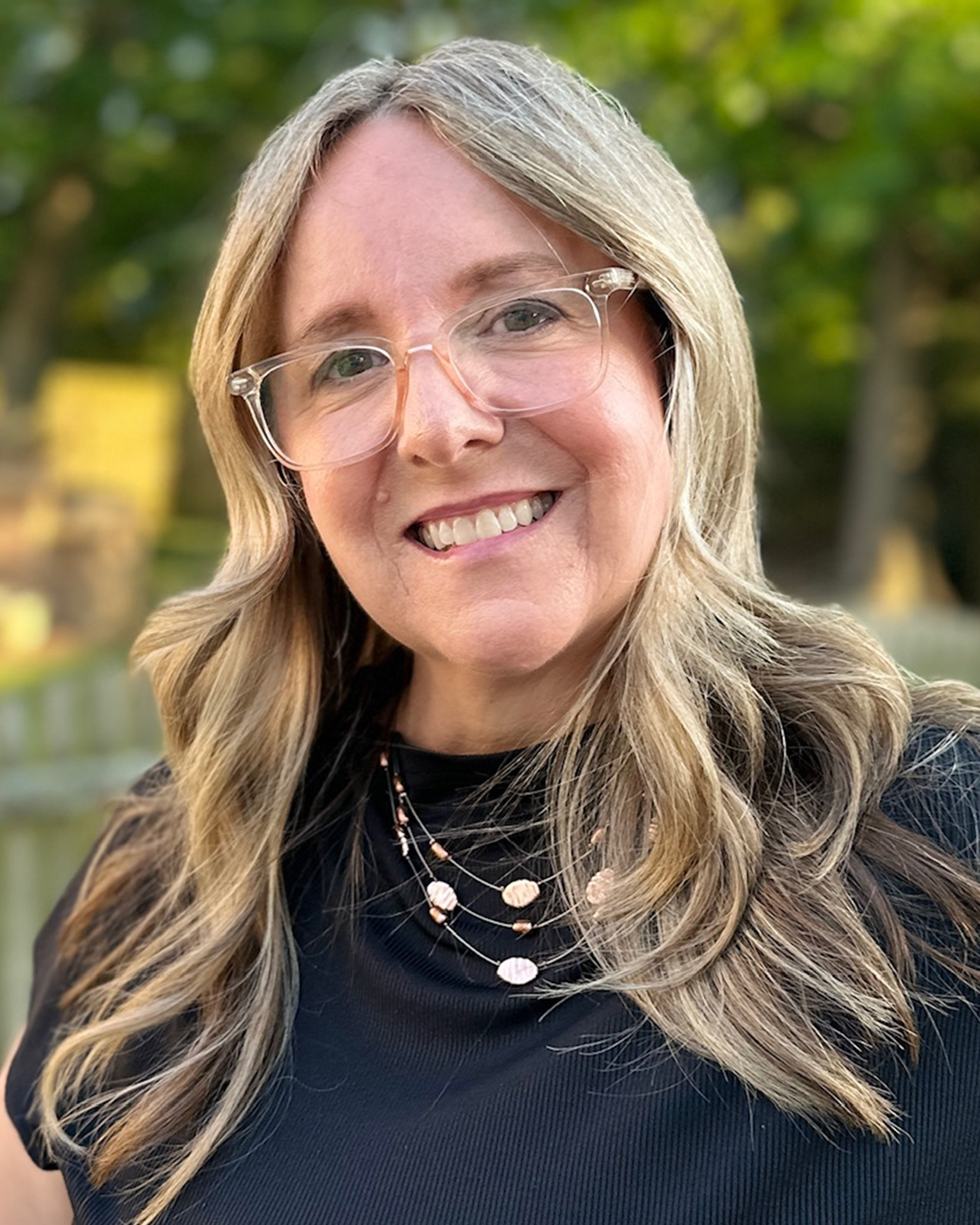 I am a Mom of three, sharing my experiences of becoming a widow while working as a funeral director. Share in my adventure of healing and helping.
I'm just getting started, stay tuned for more content.
I am a Mom of three, sharing my experiences of becoming a widow while working as a funeral director. Share in my adventure of healing and helping.
I'm just getting started, stay tuned for more content.